Iran Asserts Control Over Strait of Hormuz Amid Heightened Tensions
Summary: Iran declares the Strait of Hormuz under its control as U.S. tensions rise. Explore the implications for global trade and regional stability
Key Takeaways
- Iran claims control over the Strait of Hormuz, a vital shipping lane.
- This declaration follows heightened tensions with the U.S. administration.
- The Strait is crucial for global oil supply and trade routes.
- Experts warn of potential disruptions to maritime security.
- Regional dynamics in the Middle East may shift significantly.
Heightened Tensions: A New Chapter in U.S.-Iran Relations
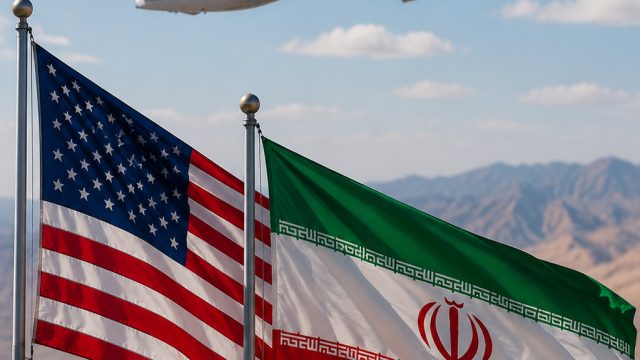
The geopolitical landscape in the Middle East has taken a dramatic turn following Iran's assertion of control over the Strait of Hormuz. This critical maritime chokepoint, through which approximately 20% of the world’s crude oil passes, is now at the center of escalating conflicts. Following former President Trump’s remarks suggesting the U.S. might maintain a presence in the region, Iran’s government responded firmly, positioning itself as a dominant force in regional waters.
The Importance of the Strait of Hormuz
The Strait of Hormuz is not just a geographical location; it is the lifeblood of global oil transportation. With major oil-producing nations relying on this route for export, any threats or interruptions can have far-reaching consequences. Experts warn that Iran's control could lead to increased shipping costs and geopolitical instability, impacting not only the Middle East but also global markets, including Southeast Asia.
Implications for Global Trade and Security
Iran’s claims have raised concerns regarding the safety of maritime operations in the region. As international shipping routes face potential risks, the economic implications could be severe. Insurance costs for shipping through the Strait may rise, and tanker operations could become more stringent, leading to increased prices for consumers worldwide.
Potential for Conflict
The likelihood of military confrontations may also rise. The U.S., which maintains a naval presence in the Gulf, could engage in actions to protect its interests and those of its allies. The Iranian military has already suggested that it would not tolerate foreign naval interference, increasing the odds of a miscalculation that could spiral into conflict.
What This Means for Southeast Asia
Countries such as Indonesia, particularly in major cities like Jakarta and Surabaya, could feel the effects of these tensions. As a significant importer of oil, Indonesia's economy is intertwined with the stability of the Strait of Hormuz. Any disruptions could lead to hikes in fuel prices, affecting transportation and goods throughout the ASEAN region.
The Response from ASEAN Nations
ASEAN states are closely monitoring the situation, seeking to ensure the stability of the shipping lanes upon which their economies rely. Diplomatic efforts may intensify as regional powers urge for a peaceful resolution to avoid the ripple effects of increased tensions. Indonesia particularly plays a vital role in fostering dialogue within the region, promoting cooperation over conflict.
Conclusion: A Turning Point for Regional Stability
Iran’s declaration of control over the Strait of Hormuz marks a pivotal moment in Middle Eastern geopolitics. As the world watches with bated breath, the implications for global trade, regional security, and diplomatic relations are profound. The international community, particularly those in Southeast Asia, must prepare for potential disruptions and engage in proactive measures to maintain stability and safety in these critical maritime routes.
Previous:The Future of Fashion: Sustain
-
 Former Admiral Secures Democra2026-07-03 11:13:32Discover how a former Navy admiral clinched the Democratic n...
 -
 Patriot Front's July 4th March2026-07-05 18:48:43Patriot Front‘s march on July 4th at the U.S. Capitol has sp...
 -
 Misleading Claims About US Fli2026-07-03 11:13:32Explore the recent misleading claims on US flights to Iran‘s...
 -
Maharashtra's Chief Minister I2026-07-03 11:13:32Discover the latest updates as Maharashtra‘s Chief Minister ...
-
Sustainable Living: Tips for a2026-07-04 17:51:15Discover practical tips for adopting a sustainable lifestyle...
-
Finding Balance: The Importanc2026-07-03 11:13:32Learn the importance of work-life harmony and how to achieve...