Transforming Tiny Spaces: Innovative Studio Design Ideas
Summary: Discover how to maximize small studio spaces with innovative design ideas that create distinct areas for living, working, and relaxation
Key Takeaways
- Creative designs can turn small areas into multifunctional spaces.
- Innovative furniture solutions maximize the usability of each room.
- Personalization enhances the comfort and uniqueness of small homes.
- Design trends in Southeast Asia reflect practicality and style.
- Efficient layouts improve daily living experiences in compact living environments.
Innovative Design Approaches for Compact Living
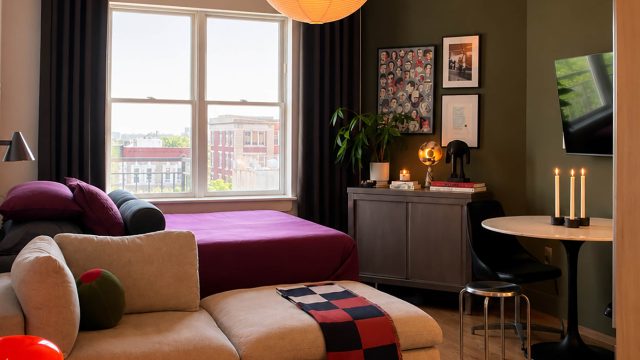
As urban populations grow, especially in cities like Jakarta and Surabaya, the demand for efficient living spaces is more pressing than ever. Designers are now faced with the challenge of creating homes that not only look good but also serve multiple purposes. The transformation of a mere 230-square-foot studio into a cohesive living space exemplifies this trend. By delineating areas for entry, living, working, and sleeping, interior designers are redefining how we perceive small space functionality.
Transforming Spaces with Multifunctional Furniture
One of the key strategies in small space design is the use of multifunctional furniture. For instance, a sofa can double as a bed, while tables can serve as both dining and workspaces. Many modern designs incorporate hidden storage solutions, ensuring that every inch of space is utilized effectively. This adaptability is crucial in densely populated regions of Southeast Asia, where space is a luxury.
Utilizing Vertical Space
In limited spaces, maximizing vertical space is an essential tactic. Designers often install shelving units that reach the ceiling which not only provides extra storage but also draws the eye upward, creating an illusion of height. Plants and decorative items can be placed on high shelves, adding a personal touch while improving air quality.
The Importance of Personalization
Transforming a small studio into a personalized oasis can have a significant impact on its inhabitants. Custom decor and thoughtful design choices that reflect the owner’s personality can make a compact space feel much larger and more inviting. As seen in various urban apartments across Indonesia, incorporating local art and textiles can create a sense of belonging while also celebrating cultural heritage.
Color Schemes and Textures
Choosing the right colors and textures plays a pivotal role in studio design. Lighter colors can make a space feel airier, while textures can add depth and warmth. Many designers recommend using a consistent color palette throughout the space to maintain cohesiveness, which is especially important in smaller areas.
Trends in Southeast Asia
Current trends in interior design across Southeast Asia show a growing interest in sustainable materials and eco-friendly design. With the increasing awareness of environmental issues, many designers are opting for reclaimed wood and other sustainable resources. This trend not only benefits the environment but also often leads to unique, one-of-a-kind pieces that enhance the character of a home.
Designing for Efficiency
In the bustling environments of cities like Bali and the urban sprawl of Jakarta, efficiency is key. Designers are focusing on layouts that promote flow and accessibility, ensuring that even the smallest of studios can feel spacious and organized. Smart technology, such as integrated lighting and climate control systems, is also becoming more prevalent, contributing to a seamless living experience.
Conclusion
The art of designing small spaces is a reflection of modern living demands. As cities continue to grow and housing becomes more compact, understanding how to make the most of limited square footage is essential. From multifunctional furniture to personalized design elements, the possibilities are vast. As seen in studios across Southeast Asia, innovative design can turn even the smallest of spaces into comfortable and stylish homes that cater to the needs of their inhabitants.
Previous:House Ethics Committee Launche
-
 Beyoncé's Surprise Release: A2026-07-05 01:48:01Beyoncé has surprised fans with a new song, ‘Morning Dew (Do...
 -
Arts and Culture: A Deep Dive2026-07-03 11:13:32Explore the significance of modern arts and culture, and how...
-
 New Insights on COVID-19 Vacci2026-07-03 11:13:32Explore the recently published COVID-19 vaccine study and it...
 -
Honoring the Life of Khadijah2026-07-03 11:13:32Explore the impactful life of Khadijah Farrakhan, celebratin...
-
Tottenham's Transfer Buzz: The2026-07-03 11:13:32Dive into the latest Tottenham news as Mathys Tel emerges as...
-
Travel Trends: What's Hot for2026-07-06 02:12:43Explore the hottest travel trends of 2023, from sustainable ...