Transforming a 2000s Kitchen: Embracing Change While Preserving Quality
Summary: Discover how to update your 2000s kitchen by blending old with new. Learn painting tips and design ideas for a trendy renovation. Read more!
Key Takeaways
- Wooden cabinets from the 2000s hold quality craftsmanship.
- Dark colors like navy and deep green are trending for kitchens.
- Minimalistic Scandinavian designs complement Indonesia's modern homes.
- Painting existing cabinets saves money and adds style.
- Incorporate sustainable practices for a medium human development approach.
Revitalizing the Old: A Blend of Modern Trends
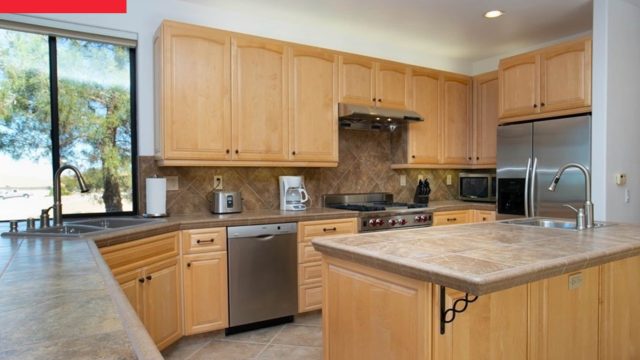
The kitchen is often seen as the heart of the home, playing a pivotal role in daily life and gatherings. As styles evolve, kitchens from the 2000s can seem outdated, especially with their prevalent orange-toned wooden cabinets. However, before you commit to a complete overhaul, consider the possibilities of revitalization. The key lies in embracing the inherent quality of materials while infusing modern styles that resonate with current trends.
With the rise of the minimalistic Scandinavian aesthetic, which emphasizes simplicity and functionality, homeowners are looking for ways to marry this trend with existing features. This approach is particularly relevant in markets like Southeast Asia, including cities such as Jakarta and Bali, where blending traditional and contemporary designs can lead to harmonious living spaces.
Why Retain Quality Wood Cabinets?
Quality wooden cabinets from the 2000s remain a significant asset due to their durability and construction. Unlike many contemporary options that may prioritize aesthetics over sturdiness, these cabinets can withstand the test of time. A fresh coat of paint can transform the appearance, allowing homeowners to explore bold color choices that align with current design trends.
Choosing the Right Colors
Currently, deep hues such as navy blue, dark gray, and rich green are dominating kitchen color palettes. These colors not only create a sophisticated ambiance but also provide a striking contrast against lighter elements, enhancing the kitchen's visual appeal. For instance, pairing dark cabinets with white or light-colored countertops can create a balanced aesthetic that feels both contemporary and inviting.
Cost-Effective Tips for a Kitchen Makeover
Considering a budget-friendly renovation? Here are several effective strategies:
- Paint Over Replace: Instead of replacing cabinets, consider painting them. This approach not only saves money but also minimizes waste.
- Update Hardware: Swapping out old cabinet knobs and pulls for modern options can make a huge difference in appearance.
- Accessorize Smartly: Introduce decorative elements such as contemporary lighting fixtures or artwork that can bring life to your kitchen.
- Utilize Open Shelving: Incorporating open shelving can lighten the space and showcase stylish dishware or decorative items.
- Focus on Sustainability: Opt for eco-friendly paints and materials, supporting a medium human development strategy that benefits the environment.
Incorporating Cultural Elements
Incorporating local culture into home design is particularly significant in Indonesia, where tradition meets modern innovation. Choosing locally sourced materials and designs not only supports the local economy but also reflects the rich heritage of the region. Additionally, designs inspired by Indonesian art can create a unique focal point in the kitchen, marrying traditional elements with modern functionality.
Conclusion: A Kitchen for Today
In summary, transforming a 2000s kitchen can be an exciting project that enhances your home's value and aesthetic. By retaining quality features like wooden cabinets and implementing contemporary design principles, homeowners can create a space that feels fresh and inviting. This approach not only caters to current trends but also respects craftsmanship and sustainability, which are essential for a thriving lifestyle in today’s world. Whether you are in Jakarta, Bali, or any other region of Southeast Asia, these strategies can help you achieve a stylish kitchen that meets your needs.
Previous:Latest Insights into Mannat's
-
 Historic Match: England Triump2026-07-06 14:37:04England edges Mexico 3-2 in a thrilling World Cup match. Dis...
 -
Current Insights on Cancer: Un2026-07-04 22:15:16Explore the latest insights on cancer prevalence and treatme...
-
Gardening in Urban Spaces: Tip2026-07-05 21:56:08Discover practical tips for gardening in urban environments ...
-
Transforming Surabaya: BYD's I2026-07-06 12:11:56Join BYD‘s Tech Culture Fest 2026 in Surabaya to explore EV ...
-
Travel Trends for 2024: Where2026-07-04 18:26:18Discover the travel trends for 2024 and the must-visit desti...
-
The Future of Technology in Li2026-07-03 11:13:32Explore the advancements in technology that are transforming...