Transforming a 1930s Kitchen: The Art of Harmonious Design
Summary: Discover how to harmonize your 1930s kitchen with modern design elements. Explore our expert tips for a chic transformation
Key Takeaways
- 1930s kitchens can benefit from integrated design elements.
- Consider blending colors and textures for a unified look.
- Functional spaces enhance the overall kitchen experience.
- Renovations can honor historic architecture while modernizing functionality.
- Small changes can make a significant impact on kitchen aesthetics.
Reimagining a 1930s Kitchen
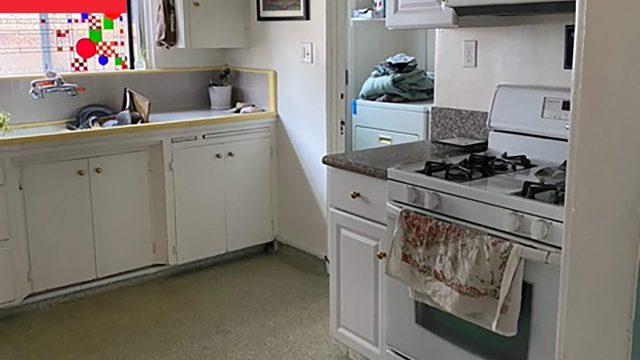
When Katherine and Genevieve moved into their charming Spanish bungalow in Southern California, built in 1933, they were faced with the challenge of unifying a kitchen that was a mixture of different styles and elements. The term "mismatched but functional" aptly described their kitchen, where three different countertops and two distinct cabinets clashed visually and practically.
Their vision was to respect the home's historic character while enhancing its usability, a task that required a thoughtful approach to kitchen design. In the 1930s, kitchens were often practical spaces, and their kitchen's configuration highlighted the need for a more cohesive layout.
Creating Cohesion in Design
The key to a successful kitchen renovation lies in achieving harmony among various elements. To start, Katherine and Genevieve focused on integrating the color palette. By selecting a coordinated color scheme that complemented the architectural features of the home, they effectively tied the different components together. For instance, they chose two-tone cabinets that blended seamlessly, allowing the kitchen to retain its vintage charm while providing a fresh, modern appearance.
Integrating Functional Spaces
Another significant aspect of their renovation involved the pocket-sized laundry room that divided the kitchen from the living area. Instead of viewing it as a barrier, they transformed it into an integrated multifunctional space. This change not only improved the kitchen's flow but also utilized the space more efficiently, allowing for a better overall cooking and living experience.
Choosing the Right Finishes
Selecting the right finishes was crucial for achieving a stylish and functional kitchen. Katherine and Genevieve opted for durable materials that are easy to clean while maintaining an aesthetic appeal. They chose modern appliances that offered cutting-edge technology without compromising the kitchen's vintage feel.
Why This Matters Now
The trend of harmonizing vintage and modern styles in home design is particularly relevant in today's culture, where homeowners are increasingly valuing both aesthetics and functionality. In regions like Southeast Asia, including parts of Indonesia such as Jakarta, Surabaya, and Bali, there is a growing appreciation for maintaining cultural heritage while embracing contemporary living standards.
Homeowners are now more likely to invest in renovations that reflect their personal style while also respecting the original architecture of their homes. This movement is not just about aesthetics; it's about creating spaces that enhance the quality of life for those who inhabit them.
Conclusion
The renovation journey of Katherine and Genevieve showcases the potential of transforming a mismatched 1930s kitchen into a stylish and functional space. By embracing thoughtful design principles and honoring the home's history, they achieved a kitchen that reflects their unique tastes and meets modern living requirements. As trends evolve, the blend of old and new will continue to inspire homeowners to reimagine their spaces, making the past a beautiful part of today's lifestyle.
Previous:Choosing Between iPhone and Pi
-
 Record-Breaking Fireworks Disp2026-07-04 10:39:25Experience the biggest fireworks display ever this July Four...
 -
Emtar Technologies Honored as2026-07-04 09:00:30Emtar Technologies has been awarded the coveted Startup of t...
-
Embracing Innovation: The Cybe2026-07-05 08:22:11Discover key insights from the CyberMedia Awards Night 2026,...
-
Monaco Bombing Investigation:2026-07-04 01:05:31Discover the latest on the Monaco bombing investigation as a...
-
Taylor Swift Dazzles in Dior:2026-07-06 22:12:21Discover the highlights from Taylor Swift‘s stunning wedding...
-
US Diplomats Engage in Key Tal2026-07-03 11:13:32Discover the latest insights from US diplomats‘ meetings in ...