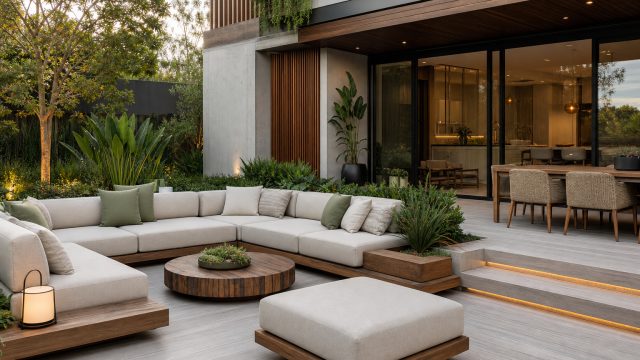
Future Trends in Outdoor Design: Insights for 2026
As we look ahead to 2026, the landscape of outdoor design is poised for significant change. Experts from various facets of the industry are predicting innovative trends that will redefine how we interact with our outdoor spaces. This is crucial not only for homeowners but also for landscape architects and designers aiming to stay ahead of the curve.
The Rise of Sustainable Landscaping
Sustainability has become more than just a buzzword in outdoor design; it's a necessity. With climate change impacting weather patterns and natural resources, designers are increasingly focusing on eco-friendly practices. Here are some key elements driving this trend:
- Native Plant Usage: Incorporating indigenous plant species that require less water and maintenance.
- Water Conservation: Implementing rain gardens and permeable paving to manage water runoff.
- Solar Power Integration: Utilizing solar lighting and energy-efficient outdoor appliances.
The Benefits of Sustainable Practices
Adopting sustainable landscaping practices not only helps the environment but also enhances the aesthetic appeal of outdoor spaces. Homeowners can expect:
- Reduced utility bills through efficient energy use.
- Minimal maintenance requirements, allowing for more enjoyment.
- Increased property value through eco-friendly upgrades.
Technological Integration in Outdoor Spaces
As technology advances, outdoor spaces are becoming more connected and interactive. By 2026, we can expect to see:
- Smart Irrigation Systems: Automated watering systems that adjust according to weather conditions.
- Outdoor Tech Furniture: Furniture equipped with charging ports and integrated speakers.
- Virtual Reality Design Tools: Allowing clients to visualize their spaces before implementation.
How Technology Enhances Usability
Integrating technology into outdoor designs not only adds convenience but also enriches user experience. This includes:
- Improved accessibility for all, making outdoor spaces usable by people of all abilities.
- Enhanced entertainment options for social gatherings.
- Better monitoring and maintenance through technology-driven solutions.
The Focus on Wellness in Outdoor Spaces
With growing interest in personal wellness, outdoor design is shifting to create spaces that promote mental and physical health. Trends to watch include:
- Zen Gardens: Areas designed for tranquility and mindfulness.
- Exercise Areas: Designated spaces for yoga, meditation, or outdoor workouts.
- Natural Pools: Ecosystem-friendly swimming options that integrate seamlessly with the landscape.
Creating a Retreat at Home
More homeowners are seeking to transform their backyards into personal retreats, emphasizing relaxation and recharging. This trend highlights:
- The importance of creating serene environments that foster mental clarity.
- Incorporating nature through water features and greenery to enhance relaxation.
- Designing multifunctional spaces for both recreation and solitude.
Conclusion: Embracing Change in Outdoor Design
The outdoor design landscape is evolving rapidly, and with it comes a multitude of opportunities for homeowners and professionals alike. By embracing sustainability, technology, and wellness-oriented designs, the outdoor spaces of 2026 will not only beautify our environments but also enhance our well-being. As we move forward, staying informed and adapting to these trends will be essential for anyone involved in the field of outdoor design.