Transform Your Space: The 70-20-10 Rule for Stylish Interiors
Summary: Discover how the 70-20-10 rule can enhance your decor, blending affordable and luxury pieces for a stunning interior
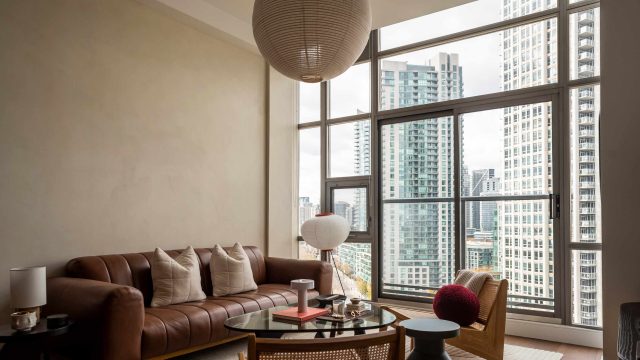
Key Takeaways
- The 70-20-10 rule divides your space into three parts: 70% dominant elements, 20% secondary, and 10% accent.
- This formula allows for a stylish mix of inexpensive and high-end decor.
- Implementing this rule can elevate your home’s aesthetic significantly.
- Accessibility to affordable furniture options has never been better, especially in Indonesia.
- Effective use of color and texture enhances the perceived value of budget pieces.
Understanding the 70-20-10 Rule
The 70-20-10 rule is a guideline that pertains to the distribution of colors and pieces in a room. It advises that 70% of the space should feature a dominant color or design element, often a neutral base like beige or gray. The remaining 20% should be a secondary color that complements the dominant hue, adding depth. Finally, the last 10% is reserved for accent colors or decor items that offer a pop of interest.
Why This Matters Now
In today's fast-paced world, where home environments have become increasingly important, understanding effective design principles such as the 70-20-10 rule can transform living spaces into personalized sanctuaries. This rule is especially relevant now as more people are investing in their homes post-pandemic, seeking comfort, style, and functionality.
Balancing Budget and Luxury
One of the standout features of the 70-20-10 rule is its ability to blend budget-friendly items with luxury decor, creating an illusion of elegance. Affordable furniture, when strategically placed and combined with premium accent pieces, can elevate the overall aesthetic of a room.
Strategic Placement
To effectively employ this rule, consider the following placement strategies:
- Invest in key pieces: Purchase a high-quality sofa or bed, which will serve as the dominant element in your space.
- Incorporate mid-range items: Use furniture that falls between budget and luxury for secondary elements, such as side tables or lamps.
- Accent with unique finds: Choose small decor items or artwork that reflect your personality for the 10% accents.
Color Choices and Textures
Choosing the right colors and textures can significantly impact how your space feels. The interplay between different materials can enhance the overall design.
Mixing Textures
Incorporate various textures to add depth and interest:
- Soft textiles: Use plush pillows and throws to soften hard surfaces.
- Natural materials: Incorporate wood, metal, and glass to create a modern vibe.
- Artistic accents: Hang interesting artwork or add sculptural pieces to draw the eye.
Color Psychology
Understanding color psychology can also help in crafting an inviting space. For instance, soft blues can evoke tranquility, while warm yellows can energize a room. Choose colors wisely to align with the intended mood of each area in your home.
Conclusion
The 70-20-10 rule is an invaluable tool for anyone looking to elevate their home design. By balancing budget-friendly items with a few splurges, you create a harmonious and stylish environment. As the interior design landscape continues to evolve, embracing such strategies will make your space not only beautiful but also a true reflection of your style.
Previous:Michigan's Arab American Voter
-
 Mindful Eating: Transforming Y2026-07-03 11:13:32Discover the concept of mindful eating and how it can transf...
 -
 Innovative Ways to Brighten Yo2026-07-03 11:13:32Discover budget-friendly hacks to enhance natural light in y...
 -
Healthy Eating Trends: What’s2026-07-05 01:51:49Stay updated on the most popular healthy eating trends in 20...
-
Community Resilience: Voluntee2026-07-08 05:21:10Explore how Nashville volunteers provide crucial support dur...
-
Caitlin Clark and the WNBA: A2026-07-03 11:13:32Explore the recent incidents in the WNBA involving Caitlin C...
-
Tribute to a Legend: Alan Jack2026-07-03 11:13:32Join us as we celebrate Alan Jackson‘s farewell concert, fea...