Philippine Retail Sector Poised for $113 Billion Growth Amid Digital Shift
Summary: Discover how digitalization and urbanization are set to propel the Philippine retail market to $113 billion. Explore key trends and insights now!
Key Takeaways
- The Philippine retail market is expected to hit $113.31 billion by 2025.
- Digital technology plays a crucial role in transforming retail experiences.
- Urbanization in major cities fuels consumer spending and retail expansion.
- Indonesia and ASEAN markets are also experiencing similar trends.
- Investment in e-commerce and technology is vital for future growth.
The Future of Philippine Retail: Digitalization and Urbanization at the Forefront
The Philippine retail landscape is undergoing a transformative shift, with projections indicating that it will reach a remarkable $113.31 billion by 2025. This anticipated growth is largely attributed to two primary factors: digitalization and urbanization. As shopping habits evolve, consumers are increasingly embracing online platforms, which has accelerated the need for retailers to adapt to digital trends.
Digital technology is reshaping how businesses operate and engage with customers. From mobile shopping apps to social media marketing, retailers are leveraging these tools to enhance customer experiences and streamline operations. Specifically, the integration of digital payment systems has made transactions more convenient, further driving e-commerce growth.
Urbanization as a Catalyst for Consumer Spending
Alongside digital advancements, urbanization is significantly influencing retail dynamics. Major urban centers in the Philippines, including Manila, Cebu, and Davao, are experiencing population growth, resulting in increased consumer spending. This urban expansion is not just about more customers; it also represents a shift in consumer behavior, with more individuals seeking diverse shopping experiences.
The Rise of Lifestyle Shopping
As consumers become more affluent and discerning, there is a rising demand for lifestyle shopping options. This is evident in the growing popularity of mixed-use developments that combine retail, dining, and entertainment in one location. Such developments cater to the modern consumer's desire for convenience and variety, fostering a new shopping culture.
Embracing E-Commerce and Technology
To remain competitive, retailers are investing heavily in e-commerce solutions. The integration of advanced technologies, such as artificial intelligence, is enhancing inventory management and customer insights. Companies that leverage data analytics can tailor their offerings, thus improving customer satisfaction and loyalty.
Challenges and Opportunities Ahead
While the outlook for the Philippine retail market is promising, challenges remain. Issues such as supply chain disruptions and market saturation in major urban areas could hinder growth. However, these challenges also present opportunities for innovative solutions and market differentiation.
Expanding into New Markets
The growing affluence in neighboring ASEAN countries, like Indonesia, presents an opportunity for Philippine retailers to expand their reach. By tapping into regional markets, brands can diversify their customer base and mitigate risks associated with local economic fluctuations.
Leveraging Digital Marketing
As the market evolves, the importance of digital marketing strategies cannot be understated. Businesses must adopt an agile approach, utilizing social media platforms and influencer partnerships to capture the attention of the increasingly digital-savvy consumer base.
Conclusion
The Philippine retail sector is on the brink of a significant transformation, set to reach $113.31 billion by 2025 due to the forces of digitalization and urbanization. Retailers must embrace these changes, adapting their strategies to meet evolving consumer expectations. With the right investments in technology and an understanding of the urban market dynamics, businesses can thrive in this new landscape, shaping a vibrant retail future in the Philippines.
Previous:The Future of Work: Adapting t
-
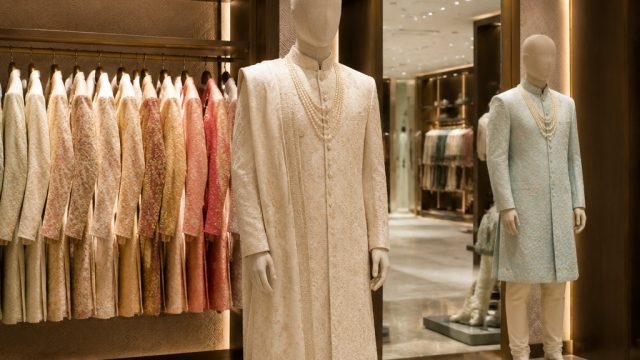 Tasva Unveils New Retail Exper2026-07-03 11:13:32Tasva opens a new store in Delhi‘s Lajpat Nagar, enhancing r...
 -
 Marco Rubio's Gulf Tour: Navig2026-07-03 11:13:32Discover Marco Rubio‘s Gulf tour insights on the Iran deal a...
 -
 Gas Leak in Dickinson: Evacuat2026-07-03 11:13:32Learn about the recent gas leak in Dickinson and the status ...
 -
Celebrating Independence Day:2026-07-03 11:13:32Discover the vibrant celebrations of July 4, 1926, in Berkel...
-
Meta Faces Legal Challenge fro2026-07-03 11:13:32Discover the latest on Sarah Wynn-Williams‘ lawsuit against ...
-
Incorporating Plant-Based Meal2026-07-05 03:45:29Learn how to transition to a plant-based diet with easy meal...