Transforming Small Spaces: Innovative Dressing Room Solutions
Summary: Discover how to turn cramped spaces into stylish dressing rooms with our expert tips and innovative design ideas. Transform your space today!
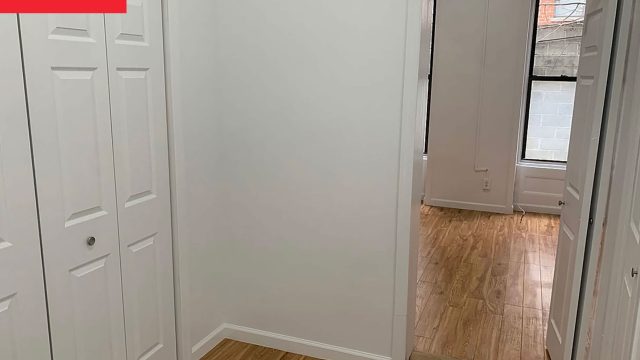
Embracing Small Spaces with Style
In urban environments like New York, where square footage comes at a premium, many residents are looking for creative solutions to maximize their living areas. One notable trend is the transformation of unconventional spaces, such as small rooms or corners, into multifunctional dressing rooms. By embracing innovative design and organization techniques, individuals can turn cramped areas into stylish retreats that cater to their lifestyle needs.
The Importance of Multifunctionality
With the rise of remote work and changing lifestyle habits post-pandemic, the demand for multifunctional spaces has surged. Areas initially designated for one purpose, such as a pass-through room, can now serve multiple functions. This shift highlights the necessity of creating spaces that fulfill various roles without sacrificing aesthetics.
Key Design Elements for a Functional Dressing Room
When designing a dressing room in a small space, several key elements should be considered:
- Smart Storage Solutions: Shelves, drawers, and hanging organizers can help utilize vertical space efficiently.
- Mirrors: Strategically placed mirrors can create an illusion of depth and make the room feel more spacious.
- Lighting: Proper lighting is crucial; consider layered lighting options to enhance both functionality and ambiance.
- Personal Touches: Incorporate personal items like artwork or decorative storage solutions to infuse personality into the space.
Case Study: A New York Transformation
Take, for example, the journey of Sophie Simmons, who reimagined a small 331-square-foot apartment in New York. Initially intended as a simple closet, her middle room evolved into a chic dressing area. By integrating a French Louis XVI-style coffee table she acquired secondhand for just $50, she established a focal point while enhancing functionality.
Designing for the Current Market
The demand for well-designed spaces has also been echoed in various Southeast Asian markets, particularly in Indonesia's bustling cities like Jakarta and Surabaya. As urban living becomes more compact, homeowners and renters alike are looking for ways to optimize their environments. The ASEAN region is witnessing a significant shift toward innovative small space solutions, driven by lifestyle changes and an increase in urban populations.
Trends Influencing Small Space Design
Current trends influencing the market include:
- Minimalism: A focus on essential items helps declutter and streamline design.
- Smart Technology: Tech integrations, such as smart mirrors or automated lighting, enhance convenience.
- Sustainable Materials: Eco-friendly materials are gaining popularity among conscious consumers.
- Color Psychology: Utilizing color to evoke emotions and expand perceived space is becoming a go-to strategy for designers.
Conclusion
In conclusion, transforming a small space into a functional dressing room is not only feasible but can also be an exciting design challenge. By incorporating smart storage solutions, mirrors, and personal touches, anyone can create a welcoming and stylish retreat. As urban environments continue to evolve, the principles of multifunctionality and intelligent design will play a crucial role in the future of living spaces.
Key Takeaways
- Transforming small areas into functional spaces is increasingly popular.
- Multifunctionality is essential for modern urban living.
- Smart storage maximizes space and enhances organization.
- Personalization adds character to small rooms.
- Current trends emphasize minimalism and sustainability.
Previous:Escalation of Attacks on Shipp
-
 Travel on a Budget: 5 Affordab2026-07-03 11:13:32Explore five affordable travel destinations perfect for budg...
 -
Investors Face Massive Losses2026-07-06 22:12:40Discover the financial fallout for investors in Trump-relate...
-
Exciting LGBTQ+ Releases to Wa2026-07-03 11:13:32Don‘t miss out on these exciting LGBTQ+ films and series pre...
-
Palisades Fire Trial Mistrial:2026-07-03 11:13:32Explore the implications of the Palisades fire trial mistria...
-
Naomi Osaka Stuns at Wimbledon2026-07-03 11:13:32Discover Naomi Osaka‘s stunning Wimbledon outfit and her top...
-
 As Youku closes the front-end2026-07-03 11:13:32Cut through the hustle and bustle and return to your true na...